
Time Out of Time
Solo Exhibition | Nüart Gallery, Los Angeles |2026
Across sculpture, painting, sound, and time-based installation, Time Out of Time considers how time is measured, experienced, and preserved within material. From fragments of mica and coal to a working clepsydra—an ancient form of water clock, Greek for “water thief”—these works bring vastly different scales of time into proximity, inviting a renewed consideration of the present moment. I am interested in the layered and contradictory forms of time: clock time, cosmic time, calendrical time, geological time, and the warping of time we experience through memories, objects, and places.
Installation Views
“The clock, not the steam-engine, is the key-machine of the modern industrial age. For every phase of its development the clock is both the outstanding fact and the typical symbol of the machine: even today no other machine is so ubiquitous.”
—Lewis Mumford
Technics and Civilization (1934)
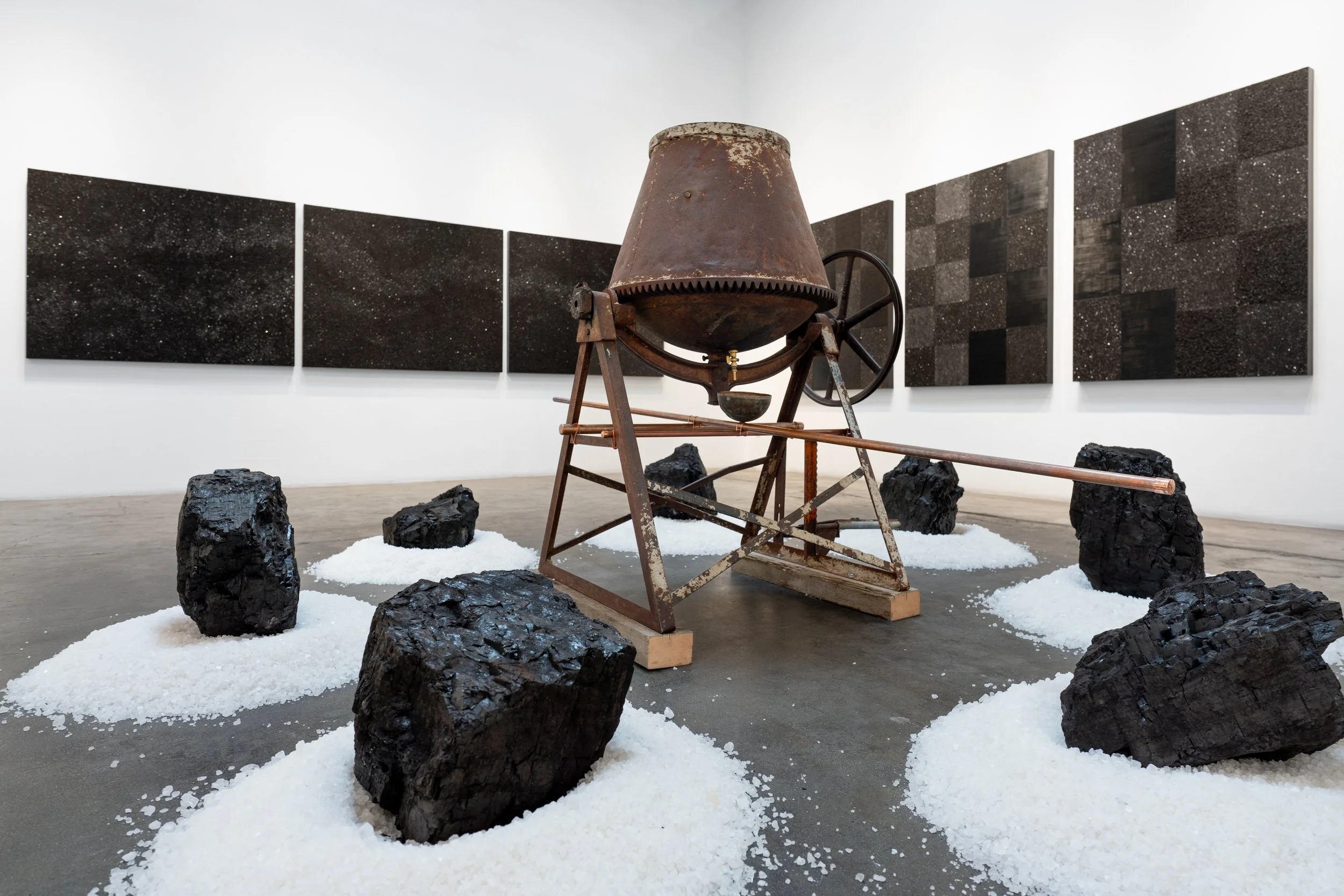
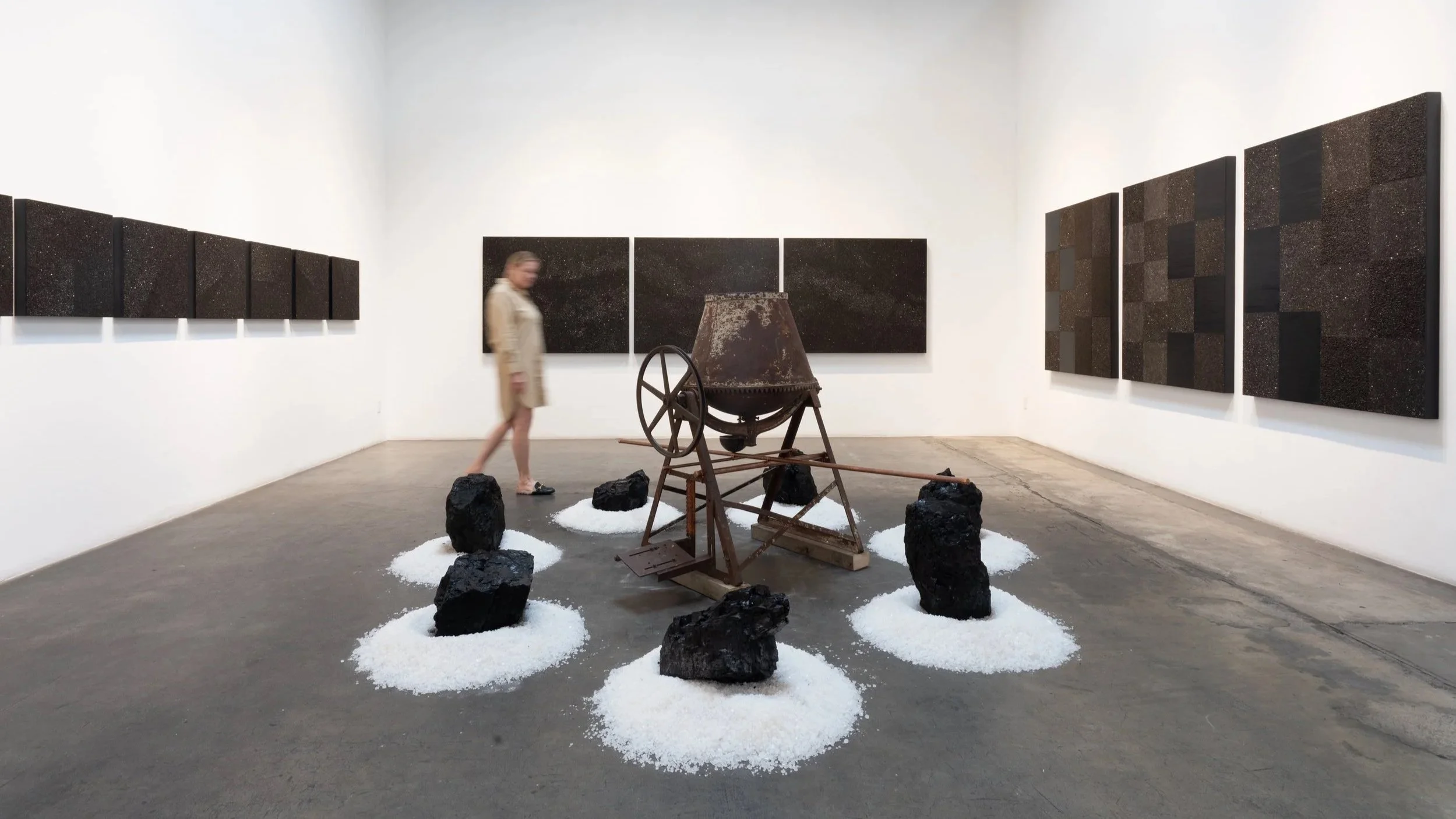
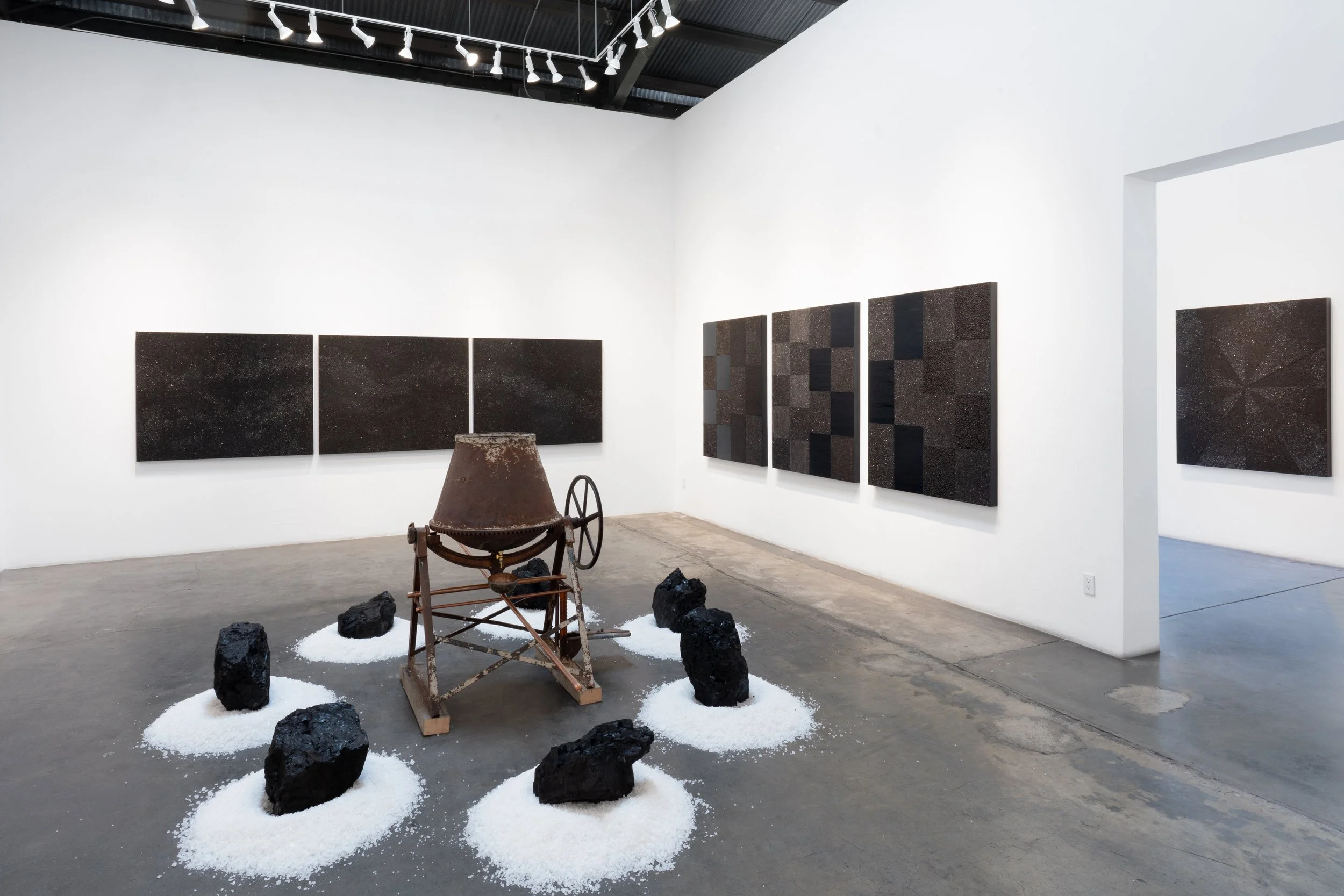
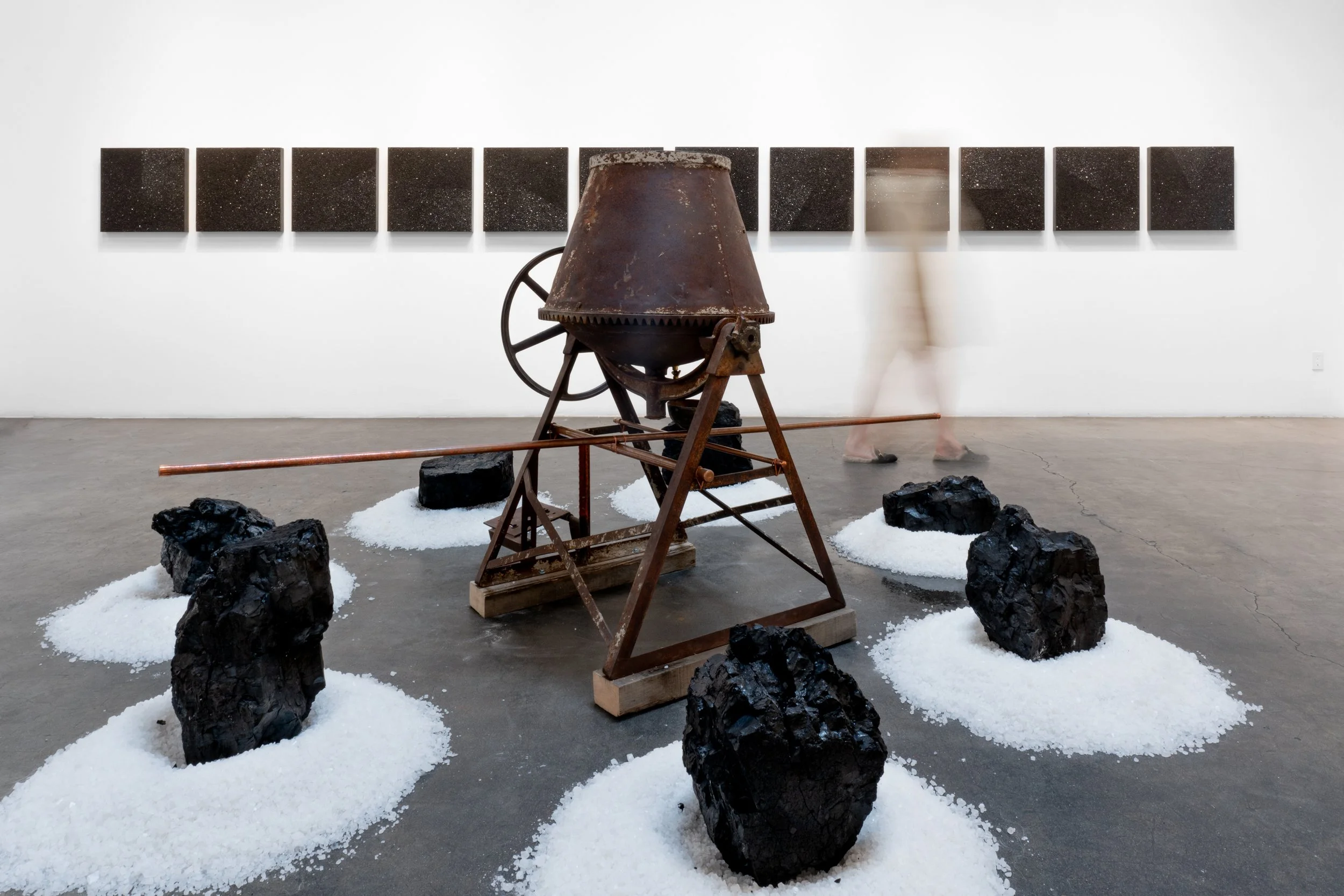
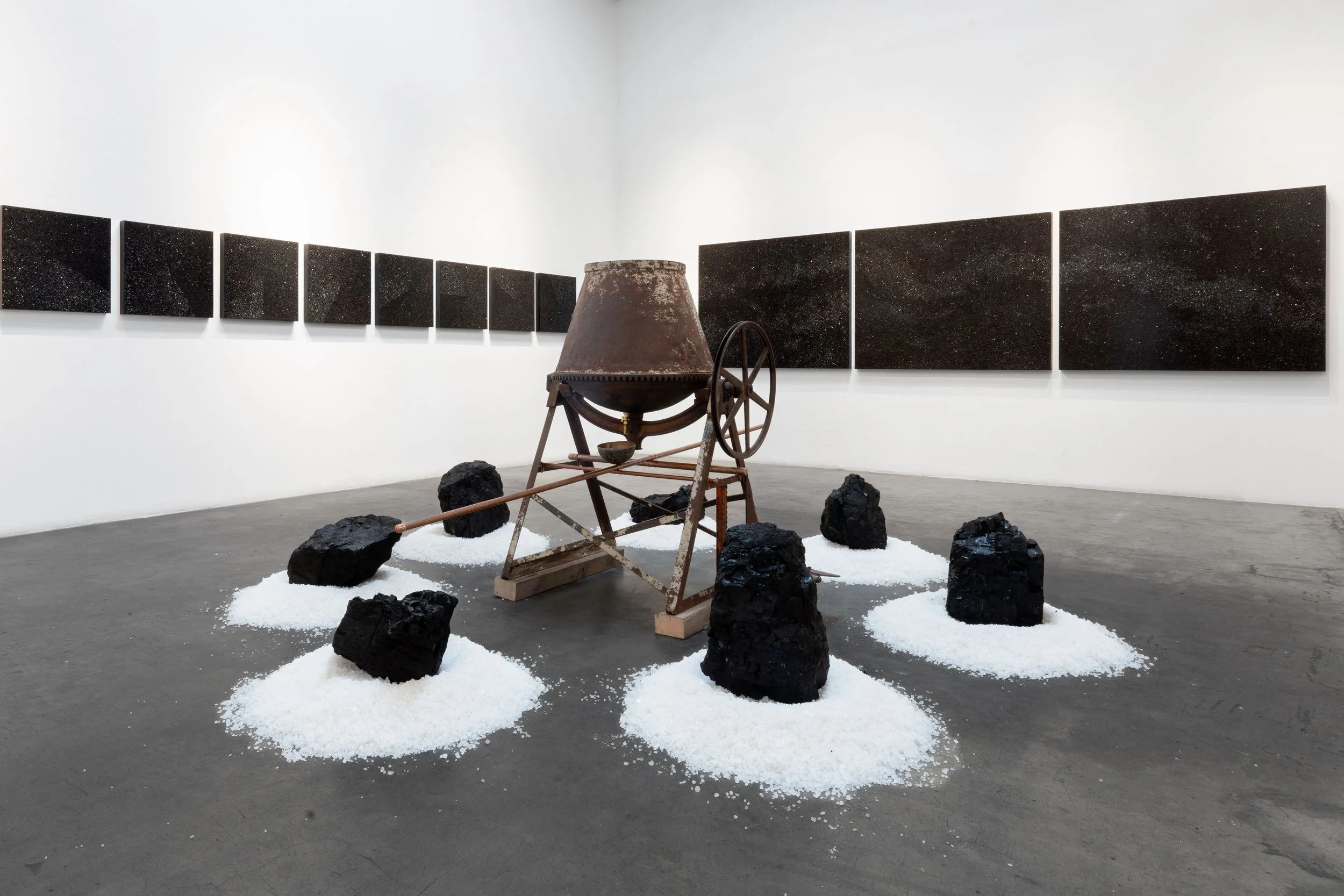
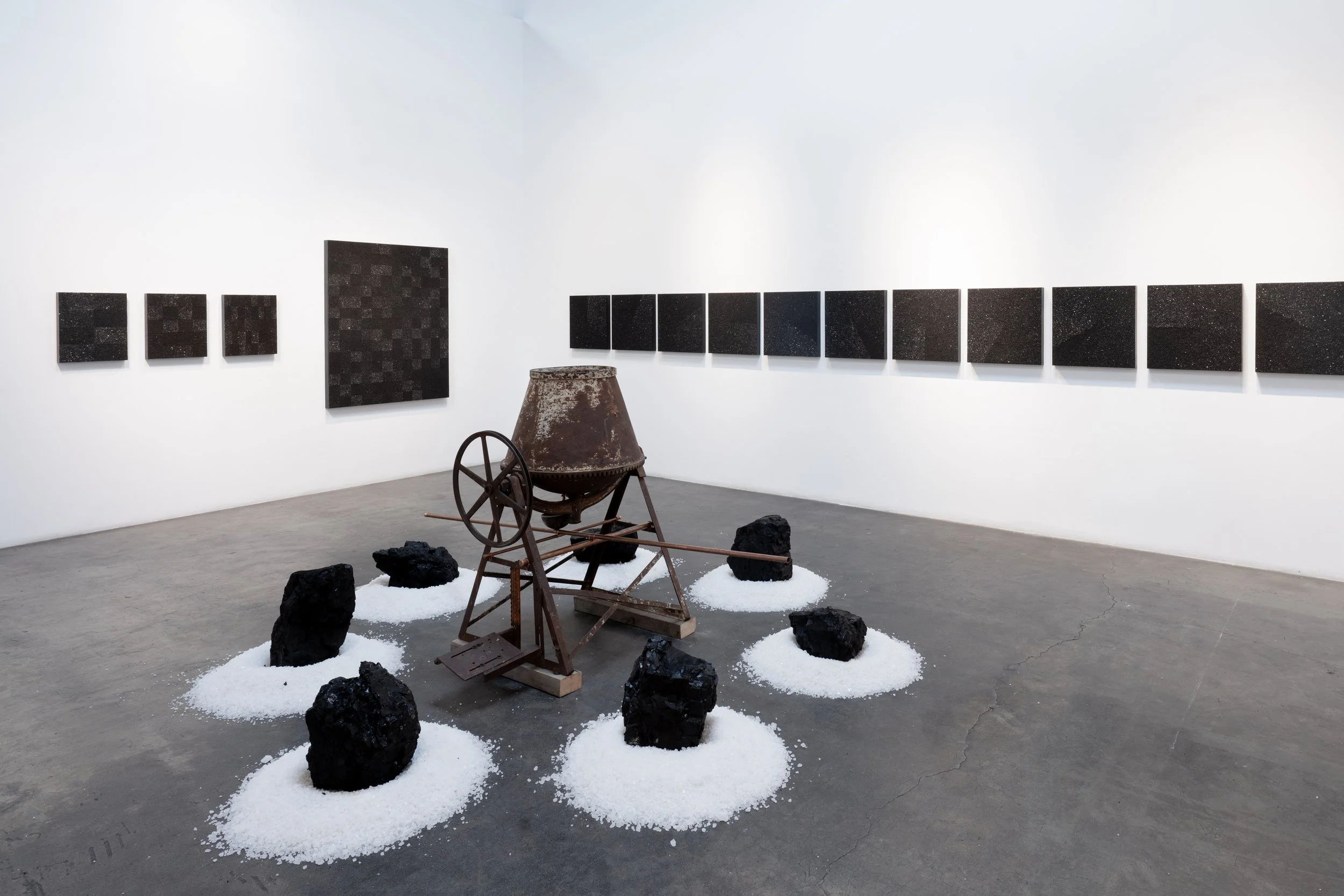
Eternity Ceased Gradually, 2026
Water clock made from early 1900s concrete mixer, steel and cast iron, brass and copper fittings, bituminous coal, salt, wood, aluminum, water, and time
60 x 144 x 144 inches
At the center of Time Out of Time is a working clepsydra—an ancient form of timekeeping whose name comes from the Greek for “water thief.”
The clepsydra was the technological link between the sundial and the pendulum clock and served as humanity’s most accurate form of timekeeping for nearly 3,000 years. The oldest known water clock is the Clepsydra of Karnak, which dates to 1400 BCE in Egypt. This simple form of outflow water clock is what inspired this sculpture and I love the idea of time made manifest as water.
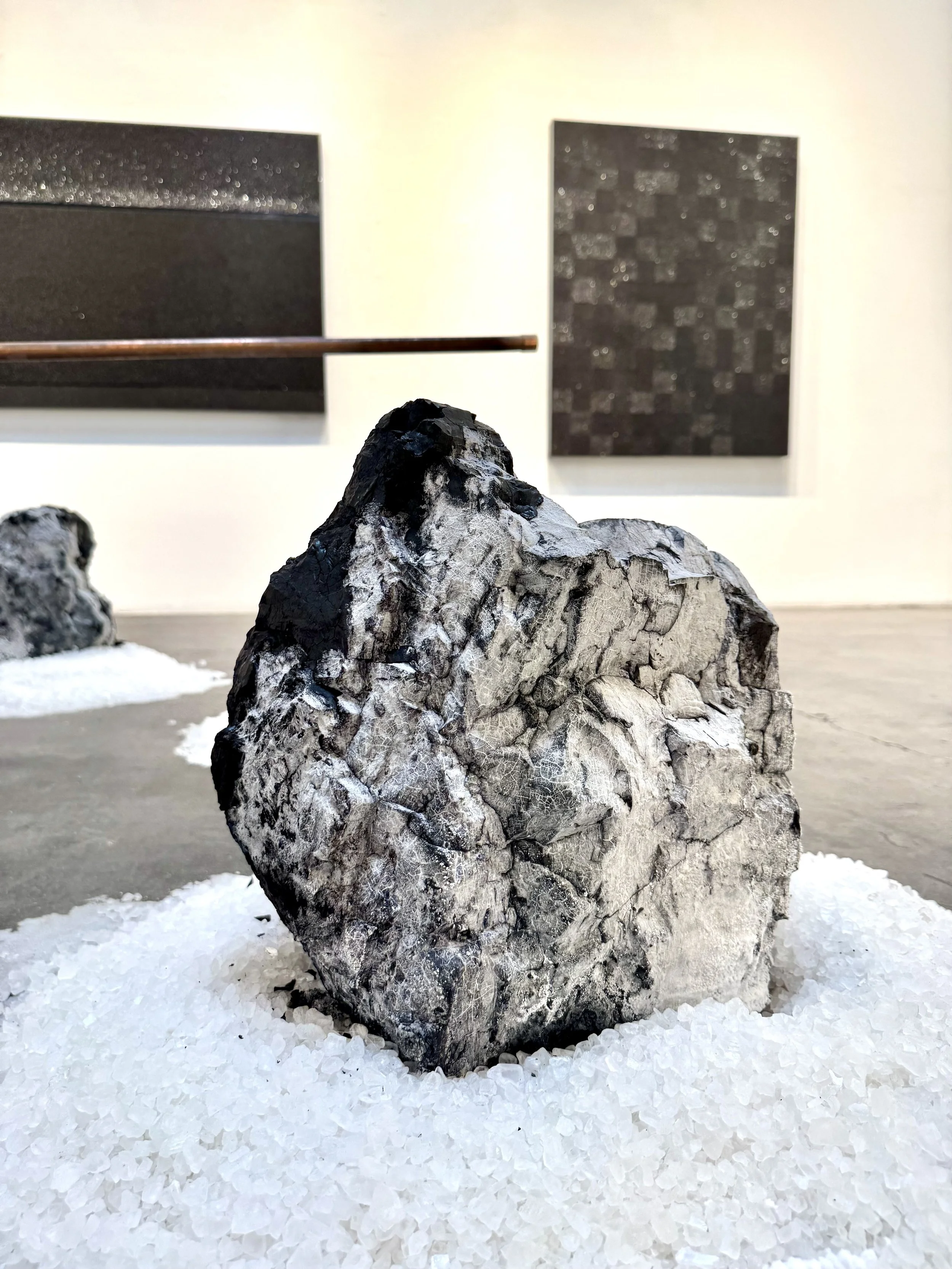
In the installation Eternity Ceased Gradually, water drips onto boulders of coal, marking the passage of time while activating the coal to produce a faint crackling sound—the sound of the present moment falling onto millions of years of accumulated time.
During the course of the exhibition the sculpture will change—the clepsydra rotates to activate different stones on different days. After the stones have been activated, over time the salty water beneath them will precipitate out onto the surface of the coal.
Selected Works
William T. Carson
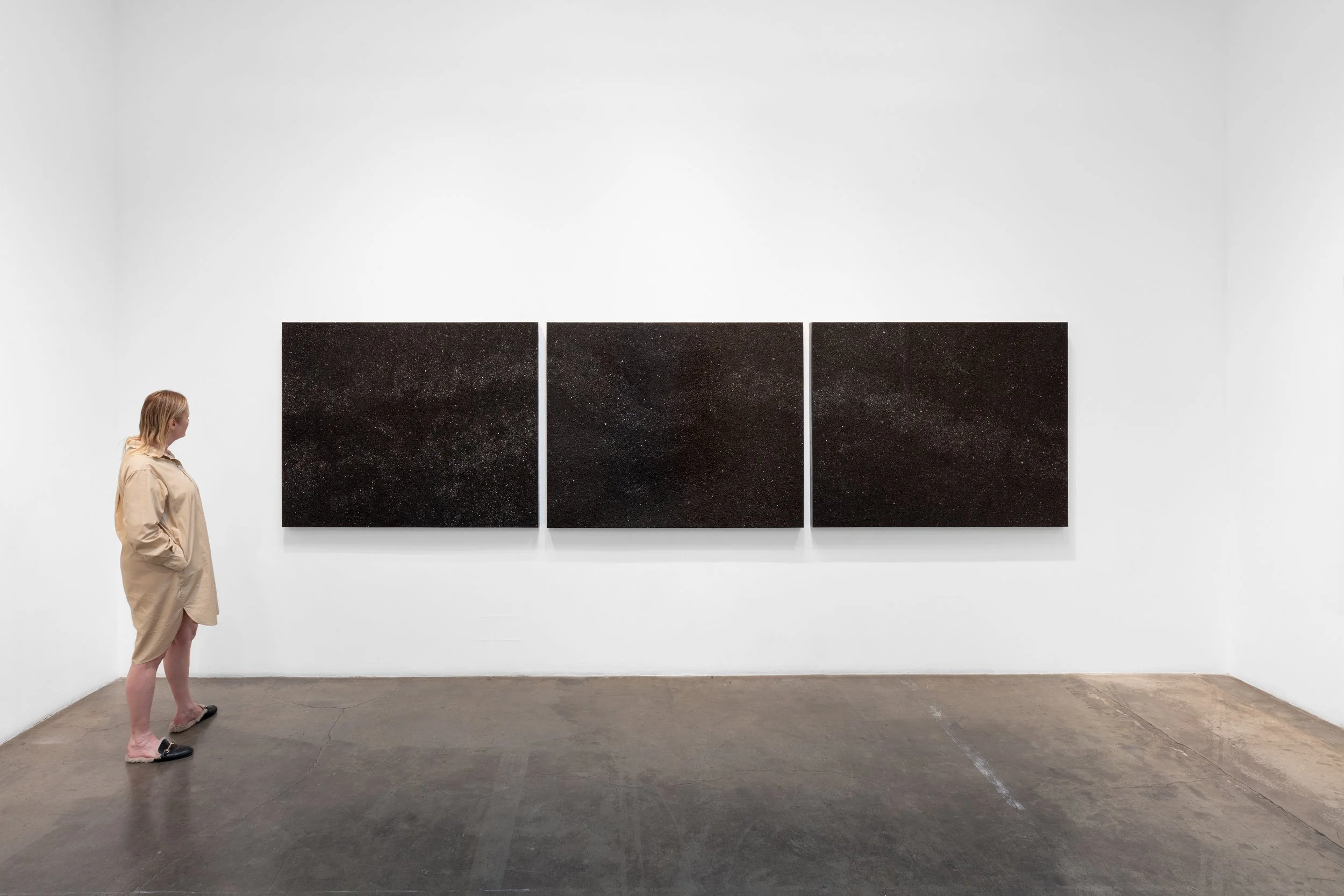
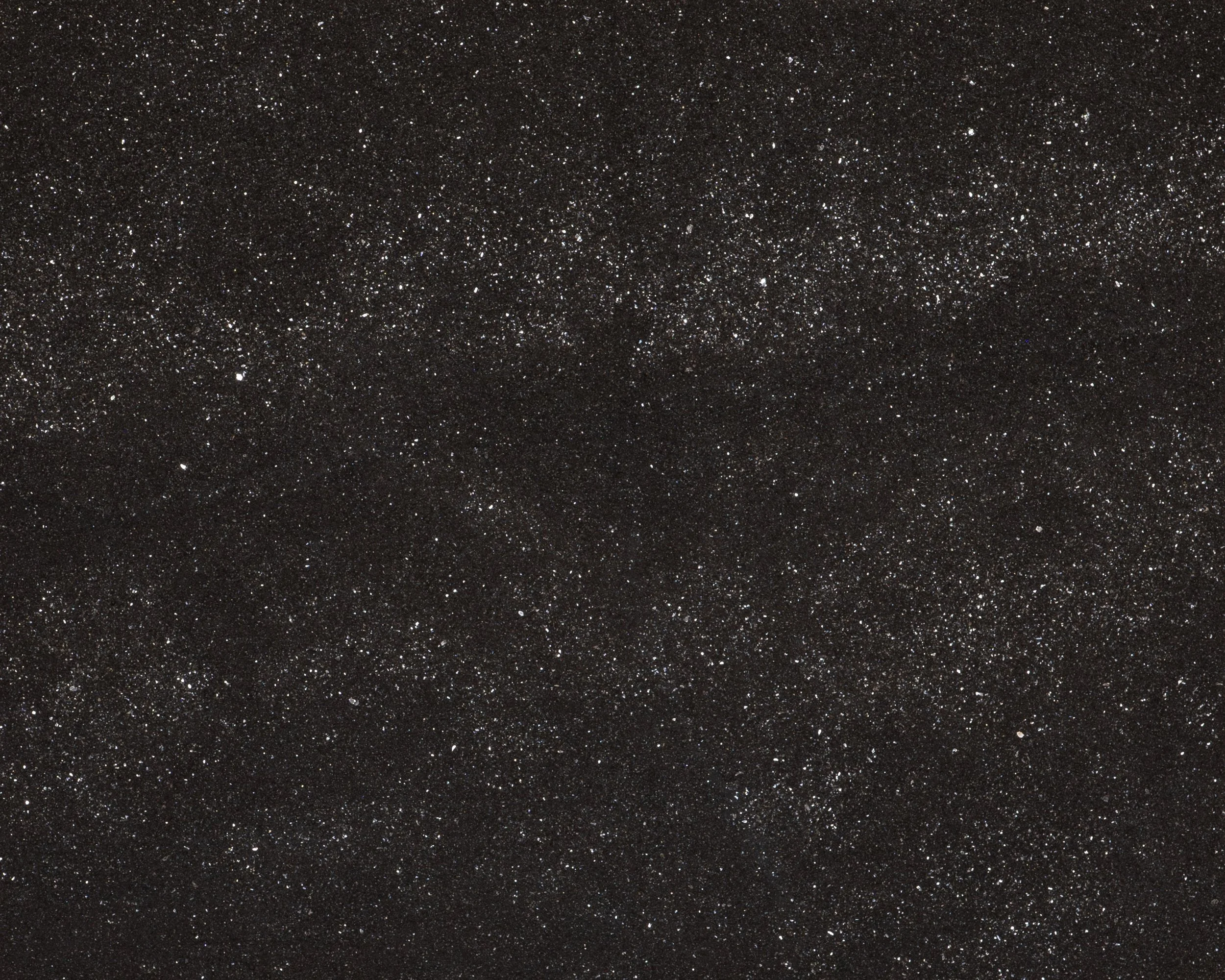
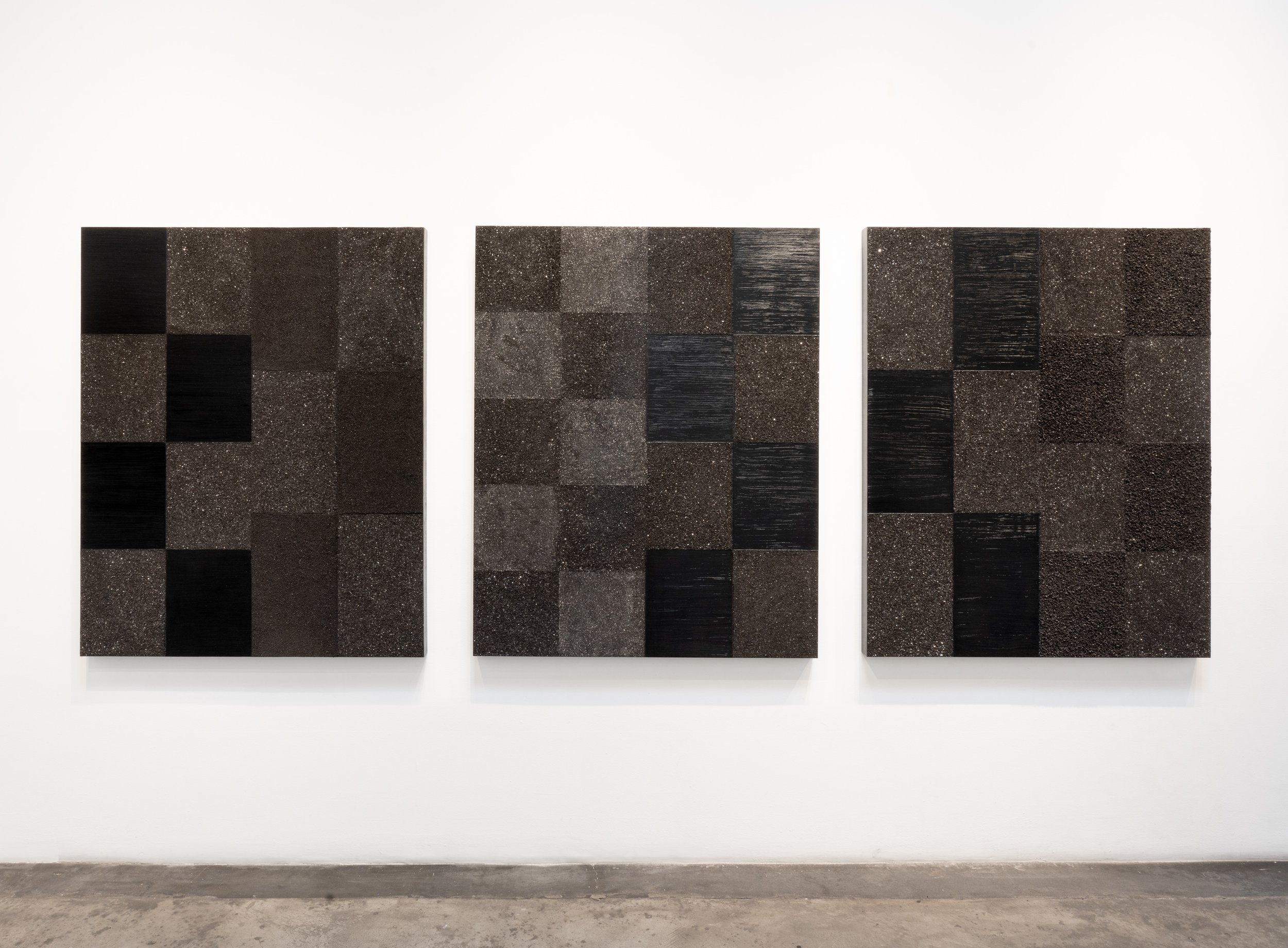
Kairos, 2026
Coal and mica on wood
48 × 184 inches total
Three panels: 48 × 60 inches each
William T. Carson
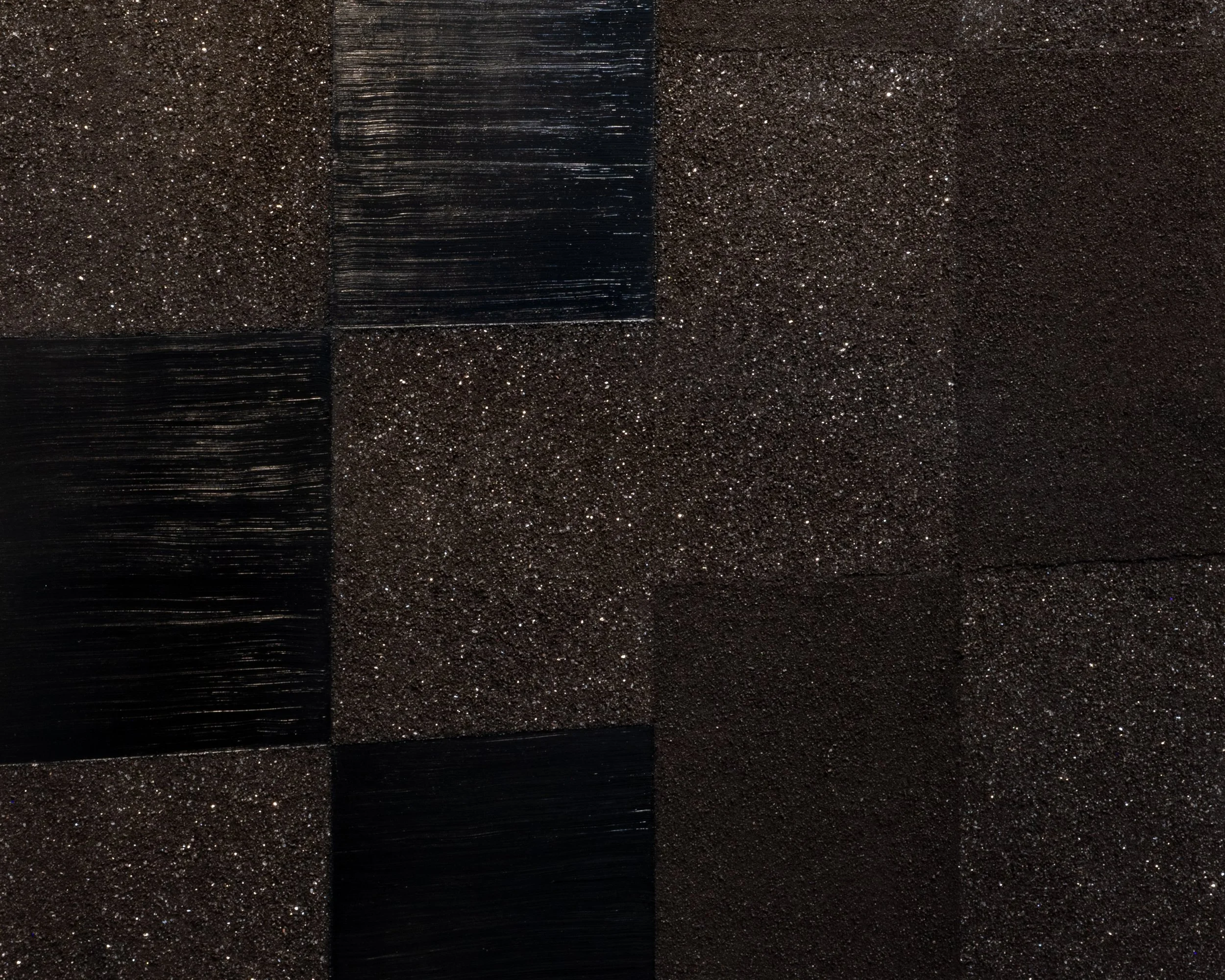
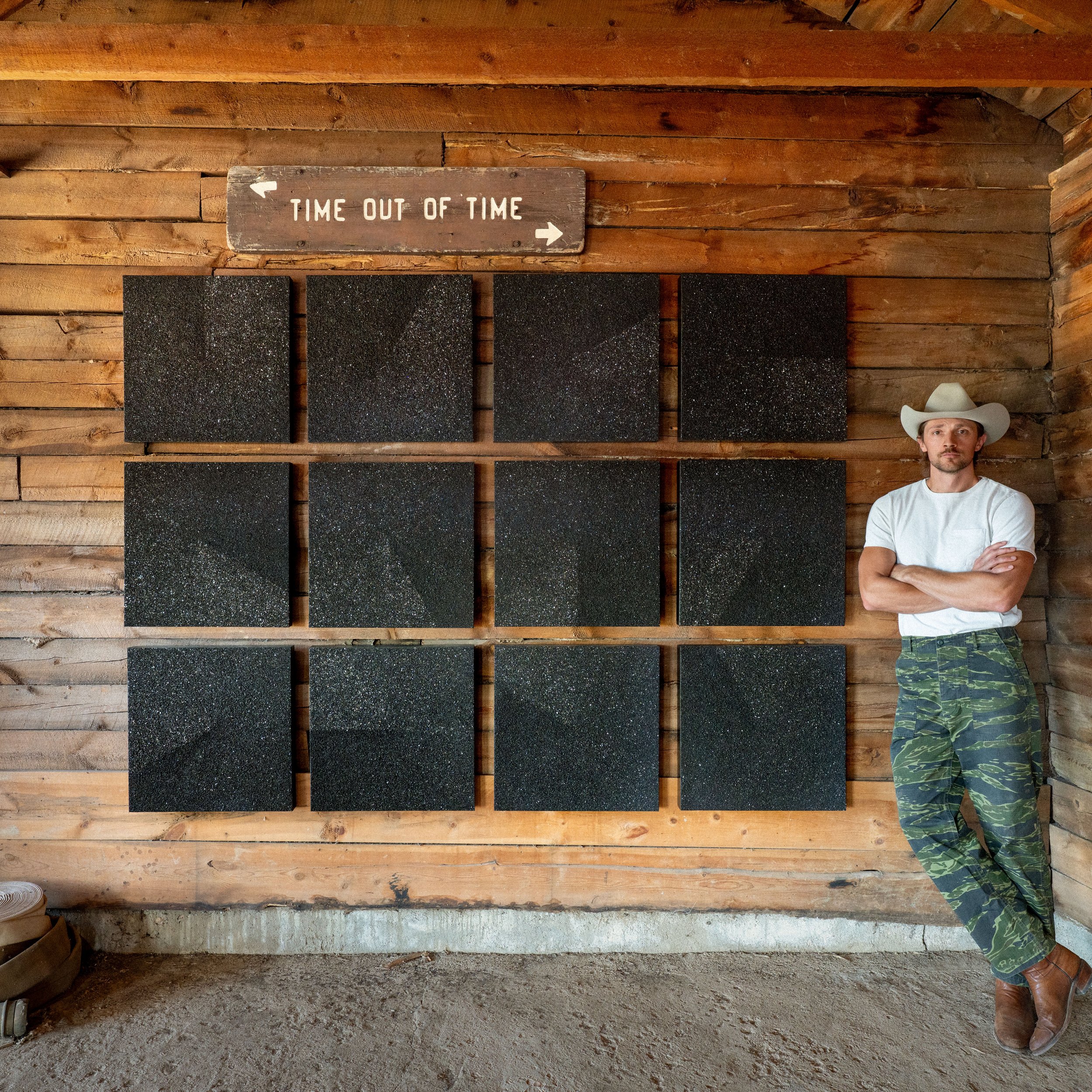
Correction Section I, II, and III, 2026
Coal and mica on wood
60 × 48 inches each
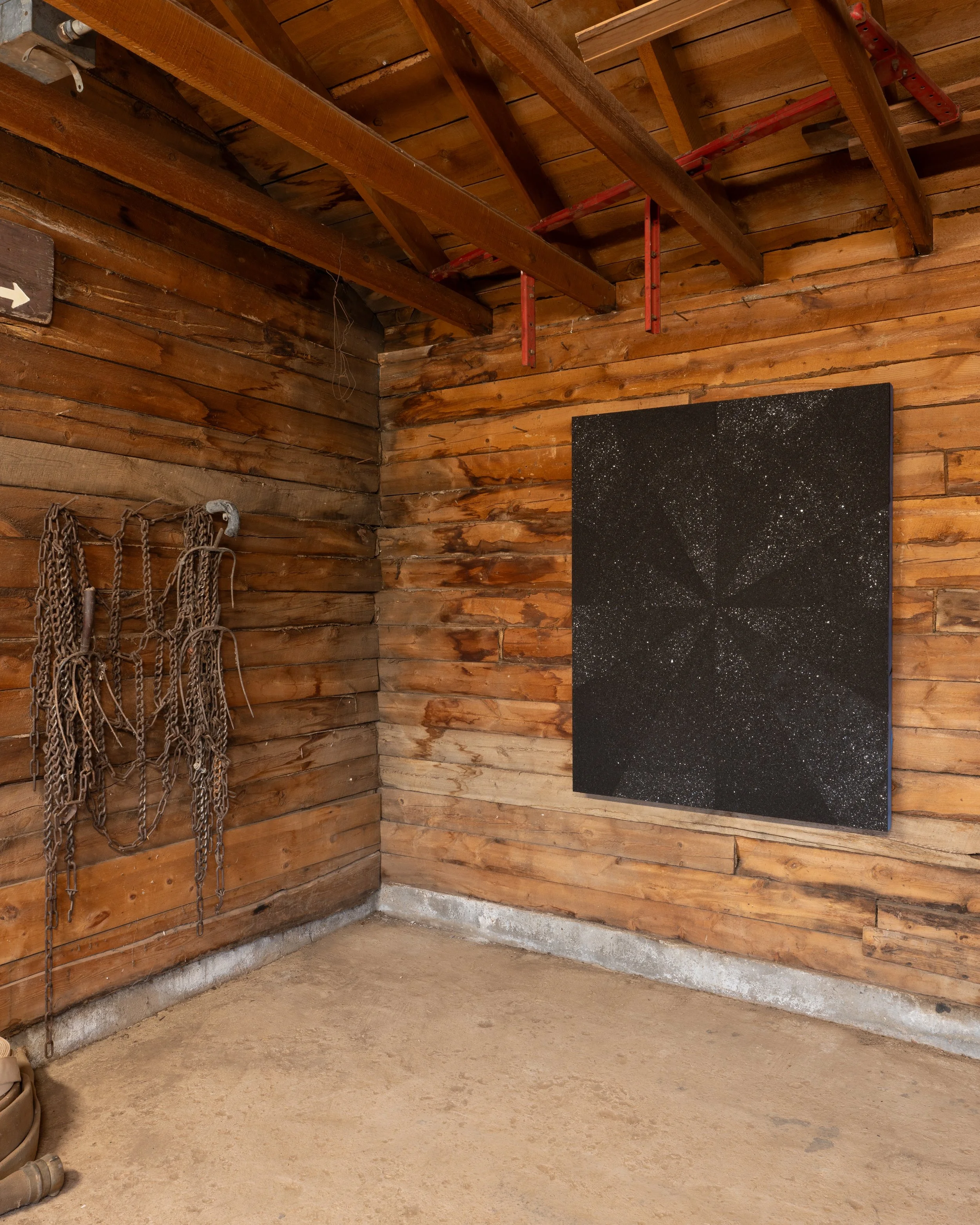
William T. Carson
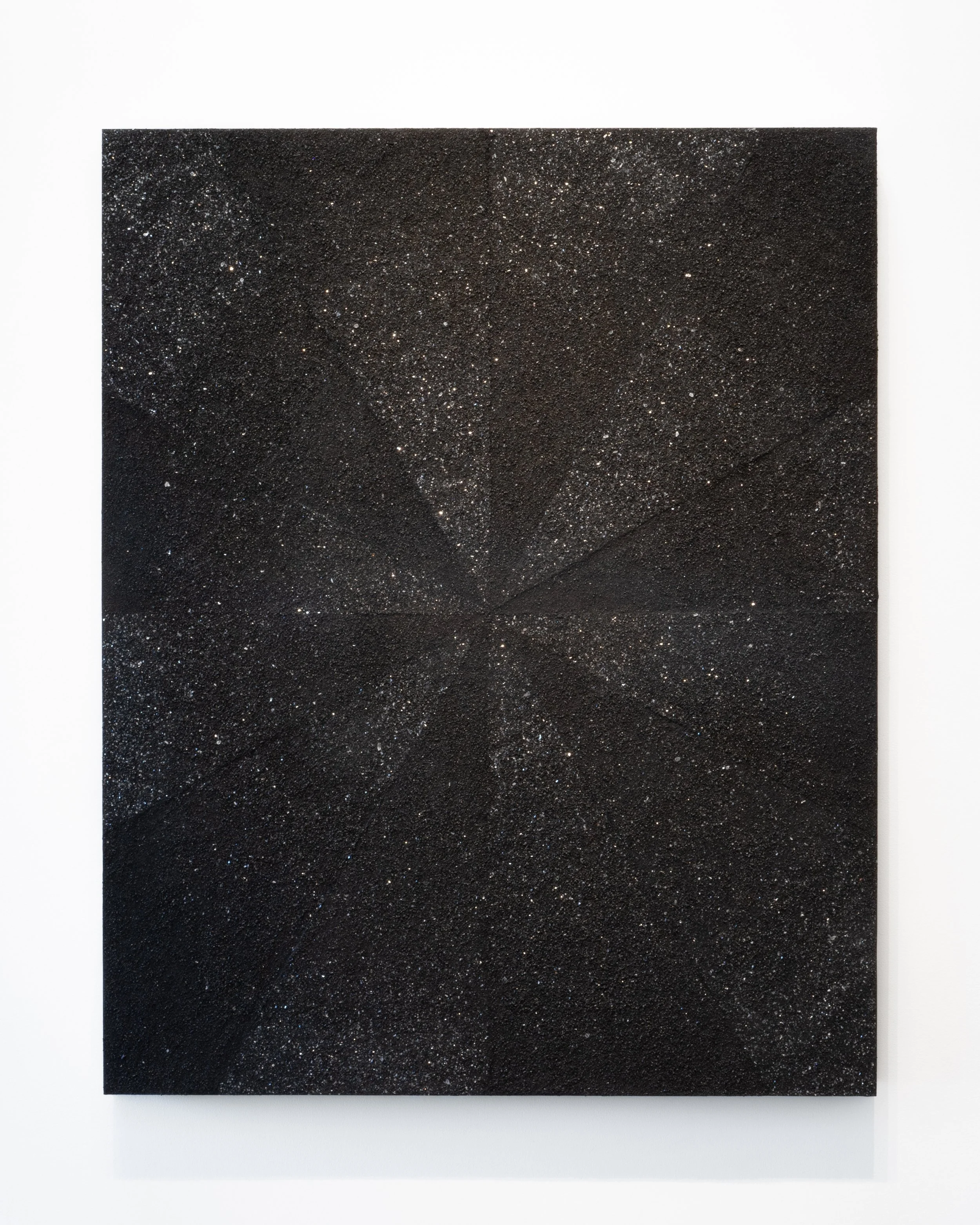
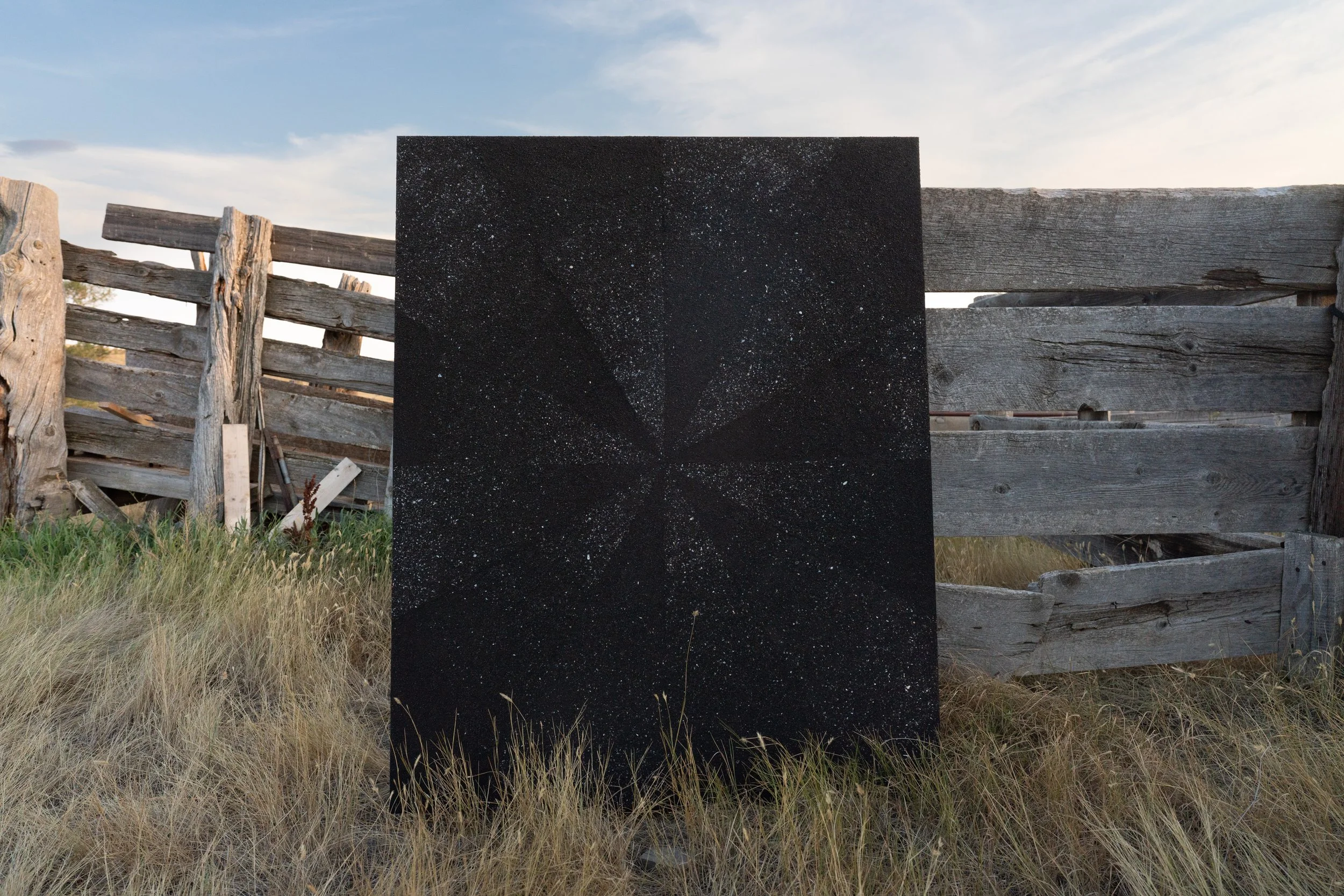
O’ Clock, 2026
Coal and mica on wood
60 × 48 inches
“We set our states of consciousness side by side in such a way as to perceive them simultaneously, no longer in one another, but alongside one another; in a word, we project time into space.”
—Henri Bergson
Time and Free Will: An Essay on the Immediate Data
of Consciousness (1899)
William T. Carson
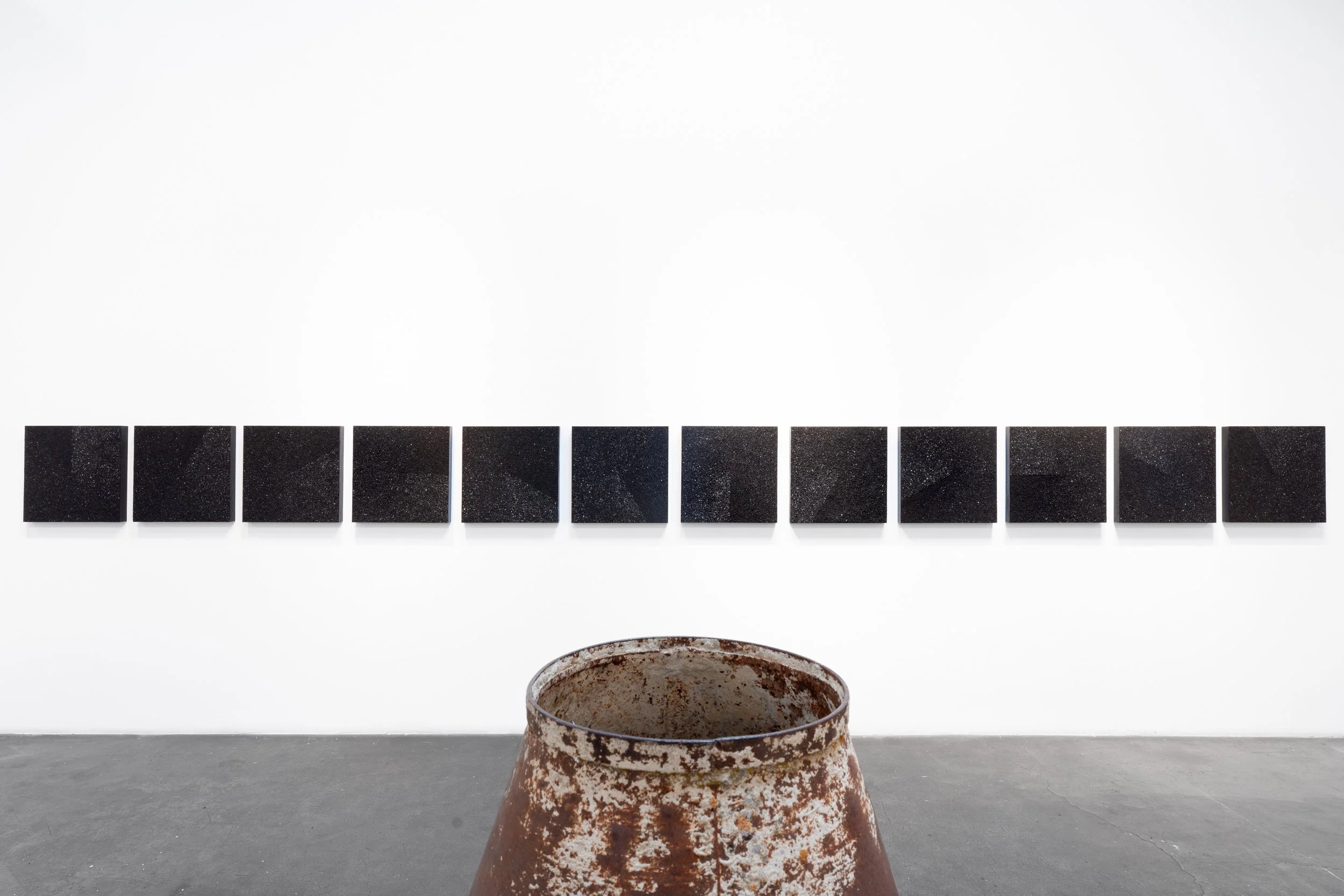
Chronos I-XII, 2026
Coal and mica on wood
22 × 360 inches total
Twelve panels: 22 × 22 inches each
“When one thinks of time, not as a sequence of experiences, but as a collection of hours, minutes, and seconds, the habits of adding time and saving time come into existence. Time took on the character of an enclosed space: it could be divided, it could be filled up, it could even be expanded by the invention of labor-saving instruments.
Abstract time became the new medium of existence.”
—Lewis Mumford
Technics and Civilization (1934)
Exhibition Video
Courtesy Haroon Noori @exhibition.shots